
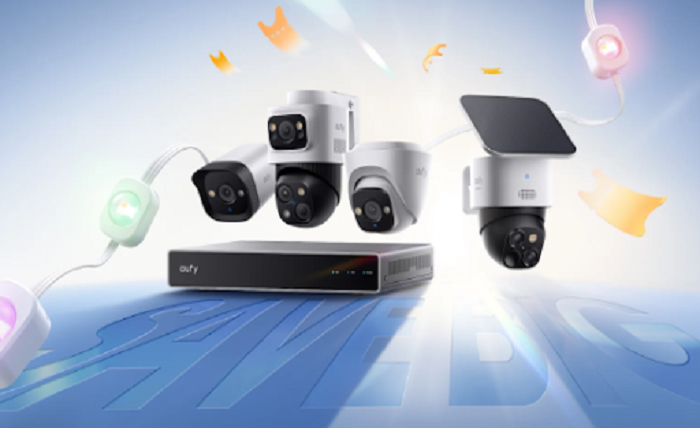
Solar security cameras have gained a lot of attention from homeowners looking for efficient and eco-friendly security solutions. They harness the power of the sun, making them a sustainable choice for home protection. With energy costs rising and environmental concerns at the forefront, these cameras offer a unique combination of security enhancement and energy conservation. As more people aim to reduce their dependence on traditional energy sources, the appeal of solar-powered devices grows stronger. Furthermore, the flexibility and ease of installation that solar security cameras offer make them an attractive option for both homeowners and renters. They promise security without the complexity and cost of traditional wired systems, providing peace of mind and protection for homes across various environments.
What Solar Security Cameras Are and How They Work
How Solar Panels Power Security Cameras Daily
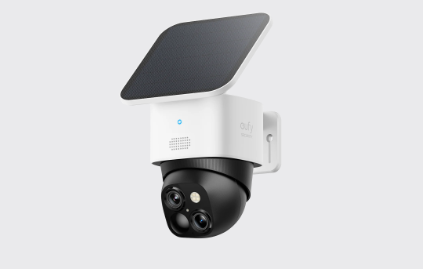
The key to solar powered security camera is their efficient use of sunlight. Each camera is equipped with a solar panel that captures sunlight and converts it into electrical energy. This process starts with photovoltaic cells within the panel, which absorb sunlight and generate direct current (DC). This DC is then converted into alternating current (AC) to power the camera. The energy is either used immediately or stored for later use. With favorable weather conditions, these panels can provide enough energy to keep cameras operating throughout the day, reducing dependence on the electrical grid.
Battery Storage and 24/7 Monitoring Explained
A crucial component of solar security cameras is their ability to provide 24/7 monitoring through efficient battery storage. The built-in battery stores excess energy collected during sunny periods, ensuring the camera functions during cloudy days or at night. This energy storage capacity enables continuous surveillance without interruption. Advanced models often feature lithium-ion batteries known for longevity and reliability. They are designed to maintain camera operations during prolonged periods of low sunlight, thereby ensuring that your home remains protected around the clock, regardless of the weather conditions.
Key Benefits of Solar Security Cameras for Homeowners
Energy Savings and Reduced Electricity Dependence
One of the foremost benefits is energy efficiency. Solar cameras rely on the sun, meaning they require no electricity from the grid to operate. This approach results in significant savings on electricity bills. Moreover, reducing the home’s carbon footprint aligns with sustainable living practices, contributing positively to the environment. By harnessing renewable energy, homeowners can also ensure that their cameras remain functional during power outages, adding a layer of reliability to their home security system.
Easy Installation and Wire-Free Convenience
Solar security cameras offer unmatched convenience with their simple installation process. Unlike wired systems that require drilling and complex wiring setups, solar cameras are established with minimal effort. This ease of installation not only saves time but also reduces costs associated with professional setup services. The wire-free nature of these cameras makes them an ideal choice for both permanent and temporary placements, offering flexibility for renters and homeowners alike. Additionally, they can be repositioned easily to adapt to changing security needs.
Where Solar Security Cameras Deliver the Most Value
Ideal Homes, Yards, and Rental Properties
Solar security cameras are particularly beneficial for homes with large yards or extensive outdoor areas. Their independence from electrical outlets allows them to be placed anywhere within sunlight reach, covering sprawling properties effectively. Moreover, rental properties gain significant advantages from solar cameras because they do not require permanent alterations. Renters can enhance their security without breaching lease agreements, enjoying the benefits of advanced surveillance without commitment.
Outdoor Monitoring for Remote and Large Areas
Large and remote areas present unique challenges for traditional security systems, primarily due to power supply constraints. Solar security cameras overcome these challenges by being completely self-sufficient. These cameras excel in monitoring remote locations like farms, large estates, or off-grid properties, where running electrical lines is impractical or cost-prohibitive. Their solar-powered design makes them ideal for maintaining security in isolated regions, ensuring constant vigilance without the need for electrical infrastructure.
What to Look for When Buying a Solar Security Camera
Video Resolution, Motion Detection, and Night Vision
When purchasing a solar security camera, prioritize video resolution. A high-resolution camera ensures clear images and videos, crucial for identifying potential threats. Motion detection capabilities add another layer of security, triggering alerts whenever movement is detected. Night vision is equally important, enabling the camera to capture details in low-light conditions. Cameras equipped with infrared night vision or advanced low-light sensors provide superior visibility after dark, crucial for comprehensive surveillance.
Smart Features, App Control, and Solar Camera Options
Advanced features enhance the functionality of solar security cameras. Look for models that integrate with smart home systems, offering app-controlled access for remote monitoring. This feature allows homeowners to view camera feeds, receive notifications, and manage settings via smartphones, ensuring peace of mind even when away. Variety in solar camera models caters to different needs; some offer pan-tilt-zoom capabilities for extensive coverage, while others focus on discreetness and compact designs. Choose a model that aligns with your home’s specific security requirements.
Conclusion
Solar security cameras represent a modern, eco-friendly approach to home security. As technology advances, these cameras become increasingly efficient and practical, offering distinct advantages over traditional systems. Their reliance on solar power not only reduces electricity dependence but also ensures operational resilience during outages. The ease of installation and wire-free operation make them accessible to a broad audience, from homeowners to renters. Moreover, their ability to thrive in remote locations underscores their versatility and applicability. When choosing a solar security camera, understanding features like resolution, motion detection, and integration with smart systems is crucial. Such informed decisions ensure you harness the full potential of solar technology, making your home safer and more sustainable in 2026 and beyond. With their clear benefits, solar security cameras are indeed worth the investment for a secure future.