
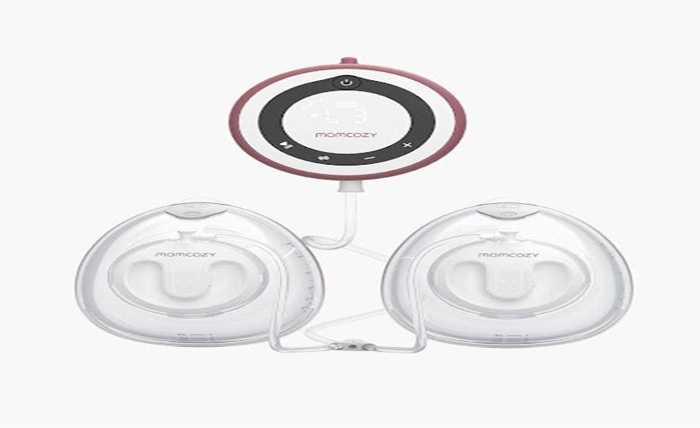
It’s 3 a.m., and a dedicated caregiver notices the hospital grade pump is taking twice as long to express the same amount of milk it handled effortlessly just weeks ago. The motor hums, the flanges are attached, but something clearly isn’t right. This scenario plays out in countless homes and hospital settings where hospital grade pumps serve as a lifeline for new mothers who depend on consistent, efficient milk expression for their infants. These powerful devices are engineered for reliability, yet even the best equipment falters when common mistakes creep into daily use.
The truth is that many performance issues stem not from equipment failure but from preventable oversights—worn breast pump accessories, skipped maintenance routines, improper assembly, or incorrect settings that silently erode suction strength over time. For caregivers responsible for pump operation, understanding these pitfalls is essential to providing uninterrupted support. This article identifies the most frequent mistakes that reduce hospital grade pump efficiency and delivers actionable solutions you can implement immediately. We’ll cover common errors and their consequences, guidance on when to replace accessories, essential maintenance routines, and step-by-step troubleshooting for suction loss and other performance issues.
Top Common Mistakes That Compromise Hospital Grade Pump Efficiency
Hospital grade pumps are built to withstand heavy use, but their performance depends entirely on how they’re operated and maintained. Caregivers often unknowingly introduce habits that gradually degrade pump function, leading to frustrating suction loss and persistent performance issues that seem to appear without explanation. Understanding these mistakes is the first step toward preventing them.
The most damaging errors fall into predictable categories. Neglecting regular cleaning cycles allows milk residue to accumulate in valves and membranes, creating barriers that obstruct airflow. Using incompatible or worn breast pump accessories—particularly valves that have lost their seal or tubing with microscopic cracks—introduces air leaks that the pump cannot compensate for. Improper assembly, even something as subtle as a flange not fully seated or a connector twisted slightly off-center, breaks the closed system the pump requires to generate adequate suction. Many caregivers also set incorrect suction levels, either too low to be effective or so high that the pump’s motor strains against resistance, accelerating wear. Perhaps most critically, failing to monitor early warning signs—a slight decrease in output, a faint whistling sound, or sessions that gradually lengthen—allows minor issues to compound into major performance failures.
Mistake 1: Ignoring Regular Pump Maintenance
Skipping maintenance is the single most common cause of declining pump efficiency. Milk contains fats and proteins that leave invisible films on internal surfaces after every session. Without daily cleaning, this residue hardens into deposits that restrict airflow through valves and compromise membrane flexibility. Sanitization on a regular schedule—typically once daily for multi-use hospital grade equipment—eliminates bacterial growth that can degrade silicone components from the inside out. Beyond cleaning, certain pump models require periodic lubrication of piston mechanisms or diaphragm housings. When these moving parts run dry, friction increases, the motor works harder, and cycle speed drops noticeably. Establishing a non-negotiable maintenance routine protects both performance and the longevity of the equipment.
Mistake 2: Overlooking Breast Pump Accessories Condition
Breast pump accessories are consumable components designed to be replaced at regular intervals, yet many caregivers use them until they visibly fall apart. Duckbill valves and membranes are particularly vulnerable—they flex thousands of times per session, and even slight fatigue in the material reduces their ability to create a proper seal. A valve that appears intact may have lost just enough elasticity to allow air to slip past during each cycle, resulting in measurable suction loss. Tubing develops internal condensation over time, and if not dried thoroughly, moisture weakens the material and encourages pinhole leaks. Flanges can develop hairline cracks around stress points where they connect to bottles or adapters. Each compromised accessory forces the pump motor to work against an imperfect seal, reducing milk expression efficiency and potentially shortening the equipment’s operational life.
Identifying When to Replace Breast Pump Accessories: A Caregiver’s Guide
Knowing exactly when to replace breast pump accessories prevents the gradual decline in performance that catches many caregivers off guard. Rather than waiting for obvious failure, a proactive approach combines visual inspection, performance testing, and manufacturer timelines to keep the pump operating at full capacity. Most manufacturers recommend replacing valves and membranes every two to four weeks with regular use, and tubing every one to three months depending on frequency and environmental conditions. However, these timelines serve as guidelines rather than guarantees—actual replacement needs depend on how the equipment is used, cleaned, and stored. One of the most reliable indicators is a change in milk output. When a mother’s supply remains consistent but expressed volume drops over several sessions, accessories are almost always the culprit. Tracking output in a simple log helps caregivers identify the pattern early, before suction loss becomes severe enough to disrupt feeding schedules.
Visual and Tactile Inspection Checklist
A thorough inspection takes less than two minutes and should happen at least weekly. For tubing, hold each section up to a light source and look for moisture droplets trapped inside, cloudy discoloration, or any visible holes—even pinholes compromise the closed system. Run your fingers along the entire length feeling for thin spots or areas where the material has stiffened. Flanges require close examination at connection points and along the rim where they contact skin; hairline cracks often form at the base where repeated twisting occurs during assembly. Valves and membranes demand the most scrutiny—stretch duckbill valves gently to check for tears at the tip, and press membranes flat to confirm they spring back immediately. Any residue that persists after proper cleaning, particularly yellowing or a sticky texture that won’t wash away, indicates material degradation that warrants immediate replacement.
Performance-Based Indicators for Replacement
When visual inspection doesn’t reveal obvious damage, performance testing provides definitive answers. Start by setting the pump to its normal suction level and listening carefully—a hissing or whistling sound that wasn’t present before points to an air leak in the accessory chain. Cover the flange opening with your palm to create a complete seal; if suction feels noticeably weaker than when accessories were new, one or more components have degraded. Test systematically by swapping individual parts with new replacements one at a time to isolate the failing component. Pay attention to cycle consistency as well—if the pump’s rhythm becomes irregular, stuttering, or slower than its rated speed, a valve may be failing to open and close cleanly. Unusual vibrations transmitted through the flanges or bottles often signal that membranes have lost the tension needed to maintain proper pressure differentials within the system.
Essential Pump Maintenance Routines for Optimal Performance
A structured maintenance routine is the foundation of consistent hospital grade pump performance. Without deliberate care, even the most robust equipment deteriorates in ways that aren’t immediately obvious until efficiency drops significantly. Caregivers who invest a few minutes daily and slightly more time weekly will find that their pumps maintain factory-level suction strength far longer than those left to accumulate wear unchecked. The key is building maintenance into the rhythm of daily caregiving rather than treating it as an afterthought when problems emerge.
Beyond the components that contact milk directly, the motor unit and electrical connections require attention that many caregivers overlook entirely. Dust accumulation around air intake vents restricts airflow that keeps the motor cool during extended sessions. Power cords that are repeatedly bent at sharp angles develop internal wire fatigue, causing intermittent power delivery that manifests as inconsistent cycling. Storing the pump in humid environments accelerates corrosion on electrical contacts and promotes condensation inside tubing even when not in use. A comprehensive maintenance approach addresses every element of the system—from the smallest membrane to the power source itself—creating a reliable foundation for efficient milk expression.
Daily and Weekly Cleaning Protocols
After every pumping session, disassemble all parts that contact milk and rinse them immediately under cool running water to prevent protein from bonding to surfaces. Follow with warm soapy water using a fragrance-free, residue-free cleanser specifically approved for breast pump components—avoid dish soaps containing antibacterial agents or moisturizers that leave films on silicone. Use dedicated brushes to reach inside valves and the narrow channels of connectors where milk pools. Rinse thoroughly and place all components on a clean, lint-free surface or drying rack with adequate air circulation. Never towel-dry these parts, as fabric fibers can transfer to sealing surfaces and compromise valve function.
Once daily, sanitize all milk-contact components using a steam bag, boiling water bath, or an FDA-cleared sanitizing system according to the pump manufacturer’s specifications. Weekly deep cleaning extends to tubing—run the pump with tubing attached but disconnected from collection kits for several minutes to clear any condensation. If moisture persists inside tubing despite air-drying, replace it immediately rather than attempting to force it dry with heat sources that can warp the material. Wipe down the motor housing weekly with a slightly damp cloth, paying attention to vents and crevices where dust collects.
Regular Check-Ups and Part Replacements
Establish a monthly inspection schedule and document findings in a simple maintenance log that tracks the installation date of each replaceable component. During monthly check-ups, remove all accessories and examine them under bright light using the visual inspection techniques described earlier. Test suction strength with fresh accessories as a baseline comparison, then swap back to the in-use components to gauge any difference. This comparative approach reveals subtle degradation that might otherwise go unnoticed during routine use.
Follow manufacturer guidelines for maximum part lifespan, but treat those recommendations as upper limits rather than targets. Caregivers managing pumps used multiple times daily should shorten replacement intervals accordingly—valves and membranes may need swapping every ten to fourteen days under heavy use rather than the standard two to four weeks. Keep a supply of replacement accessories on hand from trusted brands like Momcozy so that worn parts can be exchanged immediately upon detection rather than waiting for a delivery. Record each replacement in the maintenance log to establish patterns specific to your usage intensity, which over time creates a personalized schedule far more accurate than generic manufacturer timelines.
Solving Suction Loss and Other Performance Issues: Step-by-Step Solutions
When pump efficiency drops despite regular care, a systematic troubleshooting approach saves time and prevents unnecessary part replacements or service calls. Suction loss and other performance issues rarely stem from a single catastrophic failure—they typically result from a combination of small factors that compound until the pump can no longer compensate. The goal of effective troubleshooting is isolating each variable methodically until the root cause emerges clearly. Caregivers who approach diagnostics with patience and a structured checklist resolve most issues within minutes, restoring full pump function without professional intervention. However, recognizing when a problem exceeds basic troubleshooting is equally important, as continuing to operate a pump with underlying motor or electrical faults can cause permanent damage to expensive hospital grade equipment.
Troubleshooting Suction Loss: A Practical Checklist
Begin by powering off the pump and completely disassembling all components from the collection kit to the tubing connections at the motor unit. Inspect every connection point for proper seating—even a quarter-turn misalignment on a threaded connector introduces enough air leakage to cause noticeable suction loss. Reassemble each piece deliberately, listening for the click or feeling the resistance that confirms a secure fit. Next, attach fresh tubing and a new valve to one side of the pump while leaving your current accessories on the other side. Run both simultaneously at your normal setting and compare suction by briefly sealing each flange against your palm. If the fresh-accessory side pulls noticeably stronger, your existing components need replacement.
When new accessories don’t resolve the issue, verify your power source. Battery-operated sessions or use with a low-output adapter can reduce motor speed enough to affect suction without triggering any error indicators. Plug directly into a wall outlet and confirm the cord sits firmly in both the pump and the socket. Reset the pump by unplugging it for thirty seconds, then powering back on—this clears minor electronic glitches that occasionally cause cycling irregularities. Finally, test across multiple suction settings. If the pump generates adequate suction on higher settings but fails at lower ones, the issue may involve a pressure regulation component that requires professional attention rather than a simple accessory swap.
Addressing Persistent Performance Issues
If you’ve replaced all accessories, verified connections, confirmed a solid power source, and reset the unit without improvement, the problem likely lies within the motor or internal mechanisms. Listen carefully to the pump during operation—a grinding sound, rhythmic clicking that differs from the normal cycle pattern, or a high-pitched whine suggests internal wear on bearings, pistons, or diaphragm assemblies. These components are not user-serviceable on hospital grade equipment and require trained technicians with access to manufacturer-approved replacement parts.
Contact the pump manufacturer’s support line with your maintenance log and a clear description of symptoms, including when the issue started and what troubleshooting steps you’ve already completed. Many manufacturers offer expedited exchanges for rental units or can dispatch service technicians for purchased equipment still under warranty. While awaiting repair, avoid increasing suction settings to compensate for lost performance—this forces a compromised motor to work harder and accelerates damage. If the pump is rented through a hospital or lactation program, report the issue immediately, as these programs typically maintain backup units specifically for situations where primary equipment requires servicing. Documenting the problem thoroughly ensures faster resolution and helps the service team arrive prepared with the correct parts.
Proactive Care for Reliable Pump Performance
Maintaining hospital grade pump efficiency comes down to consistent attention to a few critical areas that caregivers can control. The most damaging mistakes—neglecting regular pump maintenance, continuing to use worn breast pump accessories, improper assembly, and ignoring early signs of suction loss—are all preventable with awareness and routine care. Each of these errors compounds over time, transforming minor oversights into significant performance issues that disrupt feeding schedules and add unnecessary stress to an already demanding caregiving role.
For caregivers supporting new mothers, reliable pump operation isn’t optional—it’s essential. By committing to daily cleaning protocols, conducting weekly inspections, replacing accessories before they fail, and following a systematic troubleshooting approach when problems arise, you protect both the equipment’s longevity and the mother’s ability to provide for her infant consistently. Keep a maintenance log, stock replacement parts in advance, and trust what the pump tells you through changes in sound, rhythm, or output. Proactive care always costs less time and effort than reactive problem-solving, and the mothers depending on your diligence deserve nothing less than a pump performing at its best.