
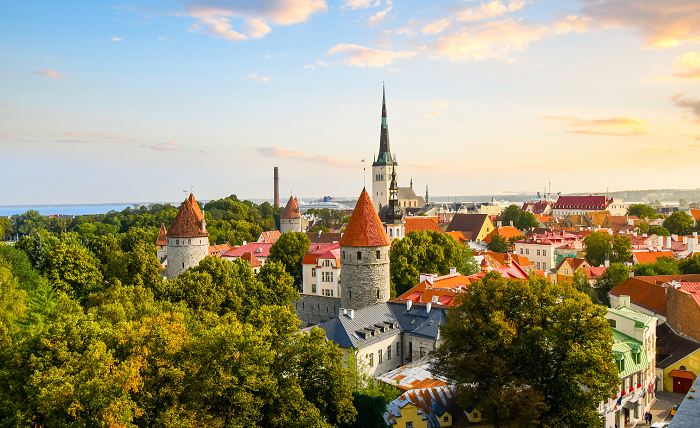
Tallinn is a strong choice for travelers who want a city with history, sea air, walkable streets, and a slower rhythm than many larger European capitals. It is often associated with its Old Town, but the city is more layered than a medieval postcard. For visitors planning a calm cultural trip and comparing different ways to spend free time online, even a search such as live casino game online can appear beside travel research, yet Tallinn itself offers a more grounded form of attention through streets, towers, courtyards, views, and small urban details.
The value of Tallinn comes from contrast. The city combines fortified walls, church towers, merchant houses, sea-facing districts, wooden neighborhoods, modern cultural spaces, and quiet cafés. It is compact enough for a short visit, but varied enough for a three-day route. A good itinerary should not only list landmarks. It should show how the city’s atmosphere is formed by elevation, stone, water, and everyday places.
Start with the Old Town Structure
Tallinn’s Old Town is the logical starting point. It is divided into two main levels: the lower town and Toompea Hill. This structure is important because it explains the city’s historical and visual character. The lower town developed around trade, guilds, streets, and market activity, while Toompea was connected with power, administration, and defense.
The lower town is best explored on foot without rushing. Town Hall Square is the central reference point, but the side streets are often more revealing. Narrow lanes, courtyards, old doorways, and fragments of the city wall create a sense of enclosure. Unlike cities where the historic center is mainly a line of monuments, Tallinn works as a connected urban area.
A practical route can begin at Viru Gate, continue toward Town Hall Square, and then move through the lanes toward St. Catherine’s Passage. This gives a clear first impression of Tallinn’s scale and texture. The city is easy to photograph, but it is more interesting when viewed as a trading town shaped by defensive needs and northern climate.
Move Up to Toompea Hill
Toompea Hill gives Tallinn its vertical dimension. The climb is not difficult, but it changes the city completely. From the upper town, visitors see rooftops, towers, the harbor, and newer districts beyond the Old Town. This is where Tallinn becomes more than a collection of streets.
The viewing platforms are among the best stops in the city. Kohtuotsa and Patkuli platforms offer different angles. One looks across the roofs and towers of the Old Town; the other gives a wider view toward the walls, rail area, and sea. These viewpoints are especially useful for understanding how compact the historic center is and how close it sits to the harbor.
Toompea also includes government buildings, churches, and quieter streets. It should not be treated only as a photo stop. Spending time here helps visitors understand how the city’s upper and lower levels create two different moods within one center.
Follow the City Walls and Towers
Tallinn’s walls are one of the key reasons the Old Town feels so complete. Sections of the fortifications still define the city’s edges and help visitors imagine its historical boundaries. The towers are not just decorative elements; they were part of a defensive system that protected trade and civic life.
Walking along the wall sections gives a better sense of Tallinn’s past than simply standing in the central square. The preserved towers show how the city controlled entry points and protected valuable goods. They also create a rhythm in the skyline, which is one reason Tallinn feels so distinctive from above.
For travelers interested in history, visiting at least one tower or wall museum is worthwhile. It adds context to the visual experience and explains why the city developed in such a compact form.
Look Beyond the Old Town
A strong Tallinn trip should include areas outside the historic core. The city’s atmosphere changes when you move toward the harbor, creative districts, and residential neighborhoods. This is important because the Old Town alone can make Tallinn seem frozen in time, while the surrounding areas show a living capital.
The area around Telliskivi is useful for understanding the city’s contemporary side. It has galleries, food spots, design stores, and public spaces set in former industrial surroundings. The contrast with the Old Town is direct: stone lanes give way to reused buildings, open courtyards, and a more local pace.
Kalamaja is another area worth including. Its wooden houses and street grid show a different part of Tallinn’s urban history. It feels quieter and less formal than the Old Town, and it works well for a walk between the center and the sea.
Add the Seafront to the Route
Tallinn is a coastal capital, and the sea should be part of the itinerary. The harbor area and nearby promenades help visitors understand the city’s connection to the Baltic. This is especially important because the Old Town can feel inward-looking, while the seafront opens the city outward.
A walk toward the water adds space to the trip. It also shows Tallinn’s role as a port city connected to Finland, Sweden, and the wider Baltic region. The sea is not only a view; it has shaped trade, climate, movement, and the city’s strategic importance.
For a balanced day, visitors can spend the morning in the Old Town and the afternoon near the harbor or Kalamaja. This creates a natural shift from medieval streets to maritime and modern Tallinn.
Choose Museums with Purpose
Tallinn has several museums, but a short trip requires selection. The best approach is to choose museums that explain the city’s main themes: trade, occupation, maritime history, urban defense, or everyday life.
A museum connected with city history can deepen the Old Town experience. A maritime museum can explain Tallinn’s coastal role. A museum focused on twentieth-century history can show how Estonia’s modern identity was shaped by occupation, independence, and political change.
This selective approach prevents the itinerary from becoming too dense. Tallinn is best experienced through a mix of walking, viewpoints, and one or two focused indoor stops.
Find Quiet Corners and Cafés
Atmosphere in Tallinn is not limited to major landmarks. Much of the city’s appeal comes from small pauses: a courtyard, a side street, a café window, a bench near the wall, or a walk after the main day crowds leave.
Cafés are useful not only for rest but also for observing the city’s pace. Tallinn suits slow breaks. The compact center allows visitors to step away from busy routes without leaving the main area. Early morning and late evening are especially good for seeing the Old Town with fewer people.
These quieter moments make the city feel less like a checklist and more like a place with depth. For many travelers, they become the most memorable part of the trip.
Why Tallinn Works for a Short Atmospheric Trip
Tallinn is practical because it offers a complete travel experience in a small area. The Old Town provides history and structure. Toompea gives views and orientation. The walls explain defense and trade. Kalamaja and Telliskivi show contemporary local life. The seafront adds a wider Baltic frame.
Two full days are enough for a focused visit, while three days allow a slower rhythm and more time outside the center. The city is especially suitable for travelers who want atmosphere without complicated logistics.
Tallinn should be seen on foot, from different heights, and at different times of day. Its strength lies in the way old streets, sea views, quiet corners, and modern districts form one coherent capital. That combination makes it one of the most rewarding atmospheric trips in Northern Europe.