
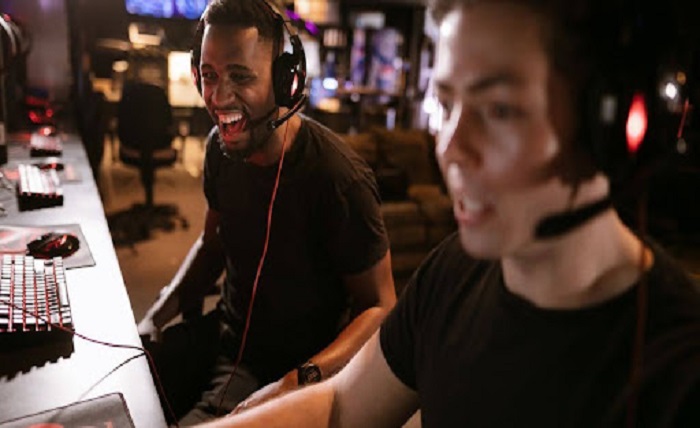
Have you ever joined an online game for the action and stayed because of the people? That happens all the time because shared interests turn matches, quests, and co-op goals into real social ties. Players do not just log in for mechanics. They return for familiar voices, inside jokes, and the feeling of being part of something ongoing.
Online gaming gives people a place to meet around a specific activity, which makes conversation easier from the start. Nobody has to search for a topic because the game already provides one. A strategy choice, a close win, or a tough challenge creates instant common ground, and that common ground often grows into a lasting community.
What makes these communities stand out is how naturally they form. People with similar tastes, play styles, and goals find each other through repeated play. Over time, the group becomes more than a set of usernames. It becomes a social space built around shared interest, routine, and trust.
Shared Play Creates Fast Connection
Online games turn cooperation and competition into social glue.
Common Goals Break The Ice
In many online games, players start by working toward a clear objective. They might defend a position, solve a puzzle, or coordinate roles during a match. That practical need to cooperate removes awkwardness because everyone already has a reason to talk and pay attention to one another.
Repeated Sessions Build Familiarity
Playing with the same people over several sessions changes a random encounter into a relationship. Players begin to recognize each other’s habits, strengths, and sense of humor. Familiarity makes communication smoother, and that comfort often becomes the basis for a community that feels stable and welcoming.
Shared Interests Shape Group Identity
Communities become stronger when players connect over more than the game itself.
Play Style Helps People Find Their Group
Not every player wants the same kind of experience. Some enjoy careful planning, some like fast action, and some care most about social interaction. Online gaming lets people cluster around those preferences, which creates smaller communities with a clear identity and a stronger sense of belonging.
Discussion Extends Beyond Matches
Groups often keep talking after play ends because shared interest naturally expands into discussion. Players compare tactics, talk about updates, and swap stories from memorable sessions. In spaces centered on topics like slot gacor gampang menang, the social bond often grows from conversation as much as from play itself.
Communication Tools Keep Communities Active
Strong communities need regular contact, and online games make that easy.
Voice And Text Support Real-Time Interaction
Built-in chat, voice channels, and direct messages let people react in the moment. Real-time communication matters because timing, tone, and shared excitement create stronger social bonds than delayed replies. A quick warning during a match can later become a joke the whole group remembers.
Ongoing Contact Builds Routine
Communities last because people know when and where to find each other. Regular play times, familiar chat spaces, and ongoing conversations create rhythm. That rhythm turns a casual hobby into a dependable social habit, and dependable habits help communities stay active even as members come and go.
Cooperation Builds Trust And Respect
Working together in games often teaches players how to rely on each other.
Team Roles Create Mutual Dependence
Many online games ask players to fill different roles, and that setup makes each person matter. A group succeeds because players coordinate timing, share information, and trust each other to handle specific tasks. Mutual dependence encourages respect because everyone can see how one person’s effort supports the whole team.
Problem Solving Strengthens Social Bonds
Hard challenges bring people closer because they demand patience and communication. Groups that learn from failure together often form stronger bonds than groups that win easily. People remember the teammate who stayed calm, explained a plan clearly, or kept morale steady during a rough session.
Communities Grow Through Shared Culture
Over time, gaming groups create their own habits, language, and traditions.
Inside Jokes And Traditions Create Belonging
A community starts to feel real when members share references that outsiders would not immediately understand. A funny mistake, a lucky comeback, or a phrase repeated during matches can become part of the group’s culture. These small traditions matter because they give members a sense of history together.
Identity Forms Around Favorite Modes And Themes
Some groups organize around a specific mode, challenge type, or style of play, and that focus gives members a clear reason to return. Communities that gather around topics like OLYMPUS88 often show how a narrow shared interest can still support lively discussion, recurring events, and strong group identity.
Online Gaming Connects People Across Distance
Geography matters less when people can meet in the same digital space.
Distance Stops Being A Barrier
Online gaming allows people from different cities and countries to spend time together in a practical, low-pressure way. They do not need to live nearby or share the same daily schedule exactly. If they can log in at the same time, they can build a routine and keep a community active.
Different Backgrounds Add Fresh Perspective
Communities become richer when members bring different experiences, communication styles, and problem-solving habits. Shared interest gives the group enough common ground to connect, while different backgrounds keep conversation interesting. That mix helps online gaming communities feel dynamic without losing their core focus.
Why These Communities Last
Online gaming communities endure because they mix fun, structure, and human connection.
Shared Interest Gives People A Reason To Return
People stay involved when a community centers on something they already care about. The game provides repeated opportunities to interact, and each session adds another layer of familiarity. Over time, shared interest becomes shared history, and shared history is what makes a community feel meaningful.
Social Value Grows With Consistent Interaction
The strongest gaming communities are not built in a single night. They grow through regular play, useful communication, and positive group identity. That steady pattern explains why online gaming does more than entertain people. It helps them form communities around shared interests in a way that feels natural, social, and lasting.