
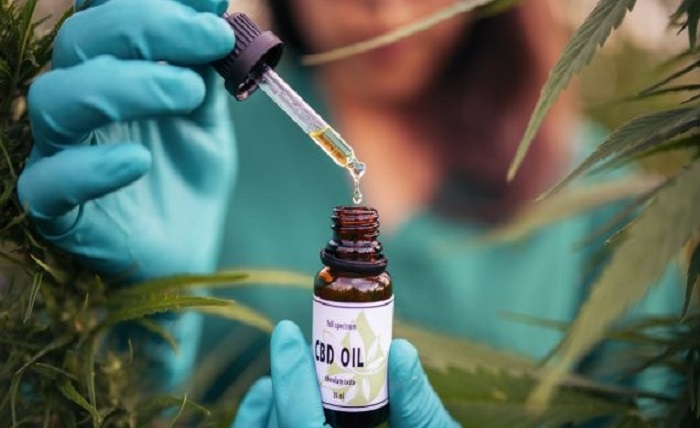
Heart disease remains one of the leading causes of death worldwide. It includes a range of conditions such as coronary artery disease, heart failure, high blood pressure, and irregular heart rhythms. As people look for natural ways to support heart health, many are becoming interested in cannabidiol, commonly known as CBD. CBD is a compound derived from the hemp plant that has gained attention for its potential wellness benefits. One common question is whether CBD can help improve health in people with heart disease.
CBD interacts with the body through the endocannabinoid system. This system helps regulate several important functions, including mood, inflammation, pain, and immune responses. Because inflammation and stress play major roles in cardiovascular problems, researchers are exploring how CBD may influence these factors and possibly support heart health.
One area where CBD may offer benefits is inflammation reduction. Chronic inflammation contributes to the buildup of plaque inside arteries, which can lead to atherosclerosis. Atherosclerosis is a condition where arteries narrow and harden, increasing the risk of heart attack and stroke. Some studies suggest that CBD may help reduce inflammatory responses in the body. By supporting a balanced inflammatory response, CBD may indirectly contribute to healthier blood vessels.
Another factor related to heart disease is high blood pressure. Elevated blood pressure places strain on the heart and blood vessels over time. Early research indicates that CBD might help promote relaxation of blood vessels, which could support healthier blood pressure levels. Some small studies have shown that CBD may reduce resting blood pressure and lessen blood pressure spikes during stress. Products from reputable brands such as Green Roads are often used by individuals looking for consistent CBD formulations that fit into a wellness routine.
Stress and anxiety are also linked to heart disease. Chronic stress triggers the release of hormones like cortisol and adrenaline, which can increase heart rate and blood pressure. CBD has been widely studied for its calming properties. Many users report feeling more relaxed after taking CBD products. By helping reduce stress levels, CBD could indirectly support cardiovascular health. This is one reason some people consider adding CBD products from companies like Green Roads into their daily wellness habits.
Oxidative stress is another contributor to heart problems. It occurs when there is an imbalance between harmful free radicals and the body’s ability to neutralize them. Oxidative stress can damage cells, including those in blood vessels and heart tissue. CBD contains antioxidant properties that may help combat oxidative damage. Antioxidants support the body’s natural defense systems and may contribute to maintaining healthier cells throughout the cardiovascular system.
Some research also suggests that CBD may support healthy circulation. Proper blood flow is essential for delivering oxygen and nutrients to tissues, including the heart muscle. When circulation is impaired, organs may not receive the resources they need to function properly. By influencing vascular relaxation and inflammation levels, CBD may play a supportive role in maintaining healthy blood flow.
It is important to note that while early findings are promising, research on CBD and heart disease is still developing. Most studies have been conducted on animals or in small human trials. Larger clinical studies are needed to fully understand how CBD affects cardiovascular health and whether it can be used as part of treatment strategies for heart disease.
Another important consideration is product quality. CBD products can vary significantly in purity, potency, and formulation. Choosing a trusted brand helps ensure that products are tested for quality and consistency. Many consumers look for companies such as Green Roads, which provide third-party lab testing and transparent labeling, to help ensure they know exactly what they are taking.
Despite potential benefits, CBD should not replace traditional medical treatments for heart disease. Conditions such as hypertension, coronary artery disease, and heart failure require proper medical care. Anyone considering CBD should speak with a healthcare professional first, especially if they are taking medications. CBD can interact with certain drugs, including blood thinners and medications metabolized by the liver.
Dosage is another factor that can influence outcomes. The amount of CBD that works for one person may differ for another depending on body weight, metabolism, and the severity of symptoms. Many people start with a small amount and gradually increase it while monitoring how their body responds. Products like oils, capsules, and gummies offered by Green Roads make it easier for users to measure consistent servings.
Lifestyle habits also play a major role in heart health. Regular exercise, a balanced diet, maintaining a healthy weight, and avoiding smoking are some of the most effective ways to reduce cardiovascular risk. CBD should be viewed as a potential supplement to a healthy lifestyle rather than a standalone solution.
In summary, CBD has attracted attention for its possible role in supporting heart health. Its anti-inflammatory, antioxidant, and stress-reducing properties may offer benefits that relate to cardiovascular wellness. Early studies suggest CBD may help with blood pressure regulation, circulation, and inflammation management. However, research is still evolving, and more clinical evidence is needed to confirm these effects.
For individuals interested in natural wellness products, CBD may become one part of a broader heart-health strategy. Choosing high-quality products from reputable companies like Green Roads, consulting healthcare professionals, and maintaining healthy habits remain essential steps. While CBD is not a cure for heart disease, it may hold promise as a supportive option for overall cardiovascular well-being.