
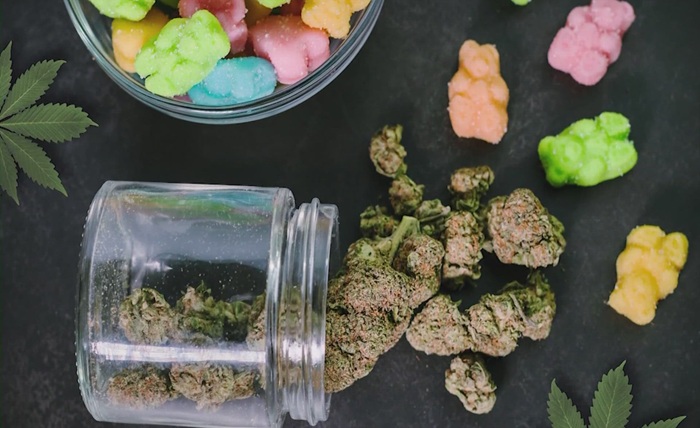
When preparing for a colonoscopy, it’s crucial to follow specific guidelines to ensure the procedure goes smoothly. A common question many people have is whether it’s safe to take THC gummies before the procedure. THC (tetrahydrocannabinol) is the psychoactive compound in cannabis, and its use has been growing in popularity for its potential health benefits, including pain relief, anxiety reduction, and appetite stimulation. However, when it comes to medical procedures like a colonoscopy, it’s important to understand how THC can interact with the process and what risks may be involved.
What is a Colonoscopy?
A colonoscopy is a medical procedure used to examine the inner lining of the colon and rectum. It is often used to detect abnormalities like polyps, tumors, or signs of colorectal cancer. The procedure involves inserting a long, flexible tube with a camera (colonoscope) into the rectum to examine the colon. For optimal results, it’s essential to follow the preparation instructions carefully, which usually include fasting and following a special diet the day before the procedure.
The preparation process is designed to clear the colon of any food or debris, allowing the doctor to get a clear view of the colon during the procedure. This often involves drinking a bowel prep solution, which can sometimes cause discomfort, including nausea, bloating, and abdominal cramping. As a result, some people may seek out alternative remedies, such as THC gummies, to help ease these discomforts.
THC and Its Effects
THC works by interacting with the body’s endocannabinoid system. It binds to cannabinoid receptors in the brain and body, leading to a range of effects, including feelings of relaxation, euphoria, and altered perceptions. Many people use THC for its medicinal properties, such as managing chronic pain, reducing anxiety, and improving sleep.
However, the effects of THC can be unpredictable, especially when combined with other substances or medical conditions. Some people may experience anxiety, dizziness, or drowsiness after taking THC, while others may feel an increased sense of relaxation and well-being. This variability is important to consider when deciding whether to take THC before a colonoscopy.
The Risks of Taking THC Gummies Before a Colonoscopy
- Potential Interaction with Medications:
Before a colonoscopy, you may be required to take certain medications or bowel prep solutions. THC may interact with these substances, potentially altering their effectiveness. For instance, THC may enhance the sedative effects of some medications, leading to excessive drowsiness or dizziness. Additionally, THC can interact with liver enzymes responsible for metabolizing many medications, potentially altering their effectiveness or increasing their side effects. - Dehydration:
One of the key aspects of colonoscopy preparation is staying hydrated. Since THC can cause dry mouth and potentially reduce thirst, it may make it more difficult to stay hydrated during the fasting and prep period. Dehydration can interfere with the colonoscopy procedure and could lead to complications. - Altered Perception:
Colonoscopy patients are often advised to take a sedative or anesthesia during the procedure to ensure comfort. THC can amplify the effects of sedatives, making you more susceptible to drowsiness and confusion during the procedure. This could affect the anesthesia process and lead to an increased risk of complications. - Discomfort and Nausea:
Although THC is often used to alleviate nausea, it may not always be effective in every situation. In some cases, THC may worsen nausea or create a sense of discomfort, which could make the preparation process for the colonoscopy even more unpleasant. - Impaired Judgment:
THC can alter your judgment and decision-making abilities. As colonoscopy preparation requires following strict guidelines, taking thc gummies may impair your ability to follow these instructions properly. For example, if THC makes you feel overly relaxed or disoriented, you may not be able to fully comply with the fasting and diet instructions, which could compromise the quality of the procedure. - Safety Concerns:
For those with underlying health conditions, particularly cardiovascular or respiratory issues, THC could pose additional risks. THC has been shown to increase heart rate and blood pressure in some individuals, which could lead to complications during the colonoscopy procedure. Additionally, if you’re already feeling anxious about the procedure, THC may exacerbate these feelings, leading to further stress and discomfort.
What Should You Do?
If you’re considering taking THC gummies before your colonoscopy, the best course of action is to consult your doctor. Healthcare providers can give you personalized advice based on your medical history and the specifics of your procedure. They may recommend avoiding THC gummies during the prep period and before the colonoscopy to ensure the best results.
Your doctor will also guide you on any other supplements or medications you should avoid leading up to the procedure. It’s essential to disclose all medications, including THC products, to your healthcare provider so they can make the most informed recommendations.
Conclusion
In conclusion, while THC gummies may offer relief for some people dealing with anxiety, pain, or nausea, they come with risks that should be carefully considered before a colonoscopy. THC can interfere with your body’s ability to properly prepare for the procedure, interact with medications, and potentially alter your perception during the procedure. The best way to ensure the safety and success of your colonoscopy is to follow your doctor’s instructions and avoid using THC products unless approved by your healthcare provider.
Taking THC gummies before a colonoscopy may not be safe, and there are more effective ways to manage discomfort associated with the preparation process. Always prioritize safety and follow your healthcare provider’s recommendations to ensure the best outcome for your procedure.